
How Kamloops Silt Damages Your Sewer Lines
Living in the Thompson-Okanagan region offers an incredible lifestyle, surrounded by rugged landscapes, rolling grasslands, and beautiful river valleys. However, the very geography that makes this area so stunning also presents some unique challenges for homeowners. One of the most significant, yet rarely discussed, issues lies right beneath our feet. The ground your home is built on contains a highly specific type of soil known as Kamloops silt. While it might just look like ordinary dirt to the untrained eye, this fine, powdery earth has a dynamic relationship with moisture that can wreak havoc on underground infrastructure.
When you own a home, you expect your plumbing to work quietly in the background. You turn on the tap, water flows; you drain the sink, water disappears. But beneath your lawn, your sewer lines are fighting a constant battle against the shifting earth. Understanding how this unique soil behaves, how it impacts your pipes, and what you can do to protect your property is essential for any homeowner in the region who wants to avoid unexpected and costly repairs.
The Science of Shifting Soil
To understand why your pipes are at risk, we first need to look at how the local soil behaves throughout the year. The fine silt in our region acts very much like a sponge. During the dry summer months, the soil bakes in the sun, losing its moisture and shrinking. This contraction causes the ground to settle and pull away from buried structures.
Conversely, when the spring freshet arrives, rapid snowmelt from the surrounding mountains saturates the valley floor. The previously dry silt absorbs this massive influx of water, swelling and expanding rapidly. This dramatic cycle of expansion and contraction means the ground is constantly moving, heaving, and settling.
Your sewer lines, which are typically made of rigid materials like PVC, clay, or cast iron, are not designed to bend. When the earth beneath them shifts, it removes the crucial physical support the pipes rely on. This lack of support causes the pipes to sag, creating what plumbers call a "belly." Water and waste pool in these sagging sections instead of flowing smoothly to the municipal sewer. Over time, the immense pressure of the shifting earth can cause the pipes to crack, fracture, or even shear apart completely, leading to severe sewer line damage from soil movement.
The Threat of Tree Roots in Older Neighborhoods
While shifting soil is a problem on its own, it often acts as the catalyst for a secondary, much more aggressive issue: tree root intrusion. This is particularly common in established neighborhoods with mature landscaping, such as Westsyde or Brock.
When the ground shifts and creates a hairline fracture in your sewer line, warm, nutrient-rich water begins to seep into the surrounding soil. The large, beautiful trees in your yard have root systems that are naturally programmed to seek out moisture, especially in our dry climate. The roots detect this moisture and grow directly toward the cracked pipe.
Once they reach the pipe, hair-like roots force their way through the tiny fractures. Inside the pipe, they find a constant supply of water and fertilizer, causing them to grow rapidly. What started as a microscopic crack caused by shifting dirt soon becomes a massive root ball that completely blocks the flow of waste. This combination of soil movement and root intrusion is one of the leading causes of major plumbing backups in older homes.
Spotting the Warning Signs
Because your sewer lines are buried deep underground, you can't visually inspect them for damage. However, your plumbing system will usually give you several warning signs before a complete failure occurs. Catching these symptoms early is the key to minimizing damage and repair costs.
One of the first things you might notice is slow draining across multiple fixtures. If just one sink is slow, it's likely a localized clog. But if your shower, toilet, and kitchen sink are all draining sluggishly, the problem is likely deeper in the main sewer line. You might also hear strange gurgling noises coming from your toilets when your washing machine drains, which indicates that air is trapped in the system due to a blockage.
Another telltale sign of a broken underground pipe is a sudden change in your landscaping. If you notice an unusually lush, bright green patch of grass in your yard, or if you detect a foul, sewage-like odor outside, there is a high probability that your sewer line has cracked and is leaking waste into the soil.
If you observe any of these symptoms, it is crucial to schedule professional residential plumbing diagnostics immediately. Ignoring these early warning signs almost always leads to a complete system backup, which can flood your home with raw sewage and require urgent emergency plumbing intervention.
Modern Solutions for Underground Damage
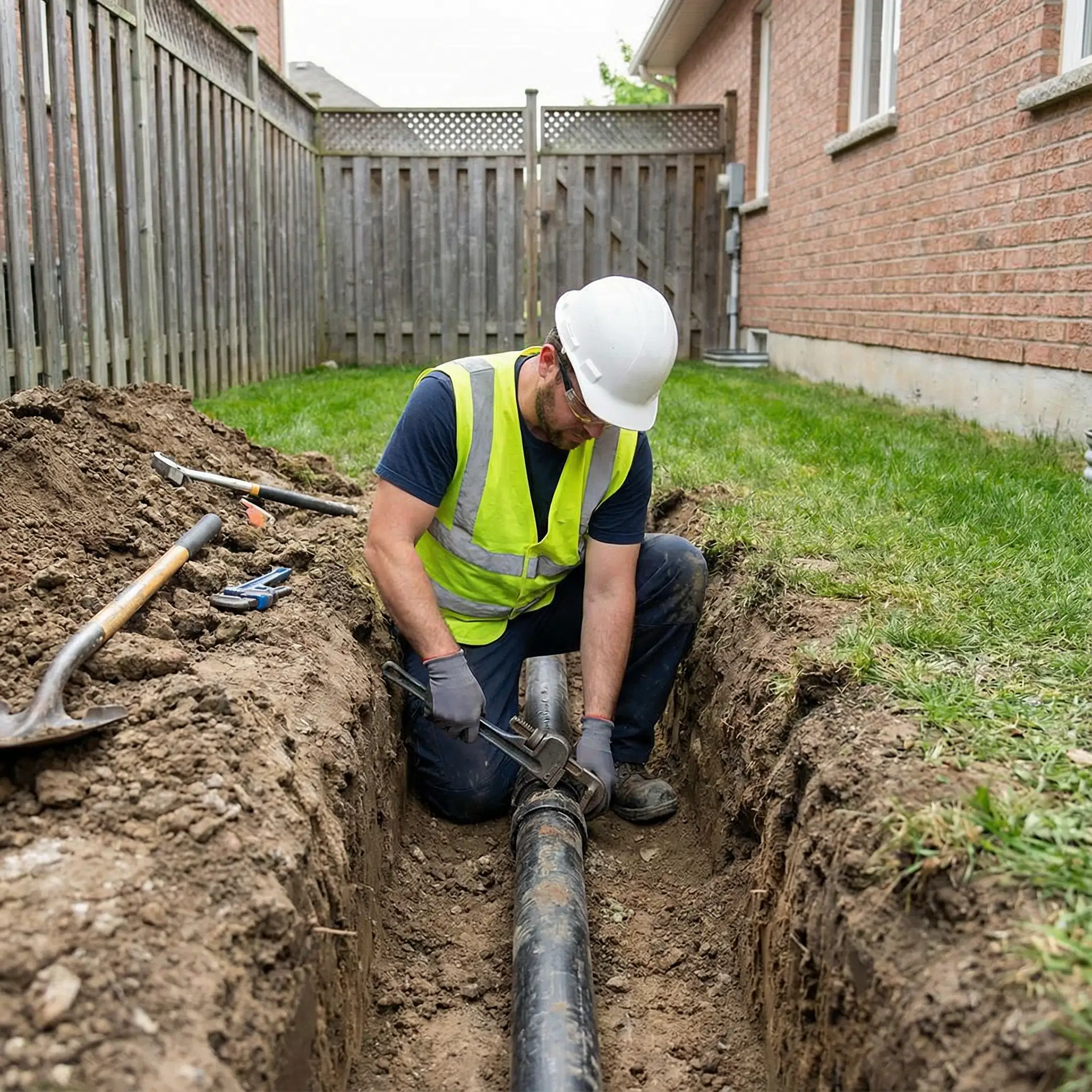
In decades past, fixing shifted sewer pipes was a nightmare for homeowners. It required bringing in heavy excavation equipment to dig a massive trench across your property, destroying your lawn, tearing up your driveway, and uprooting your gardens just to access the broken pipe.
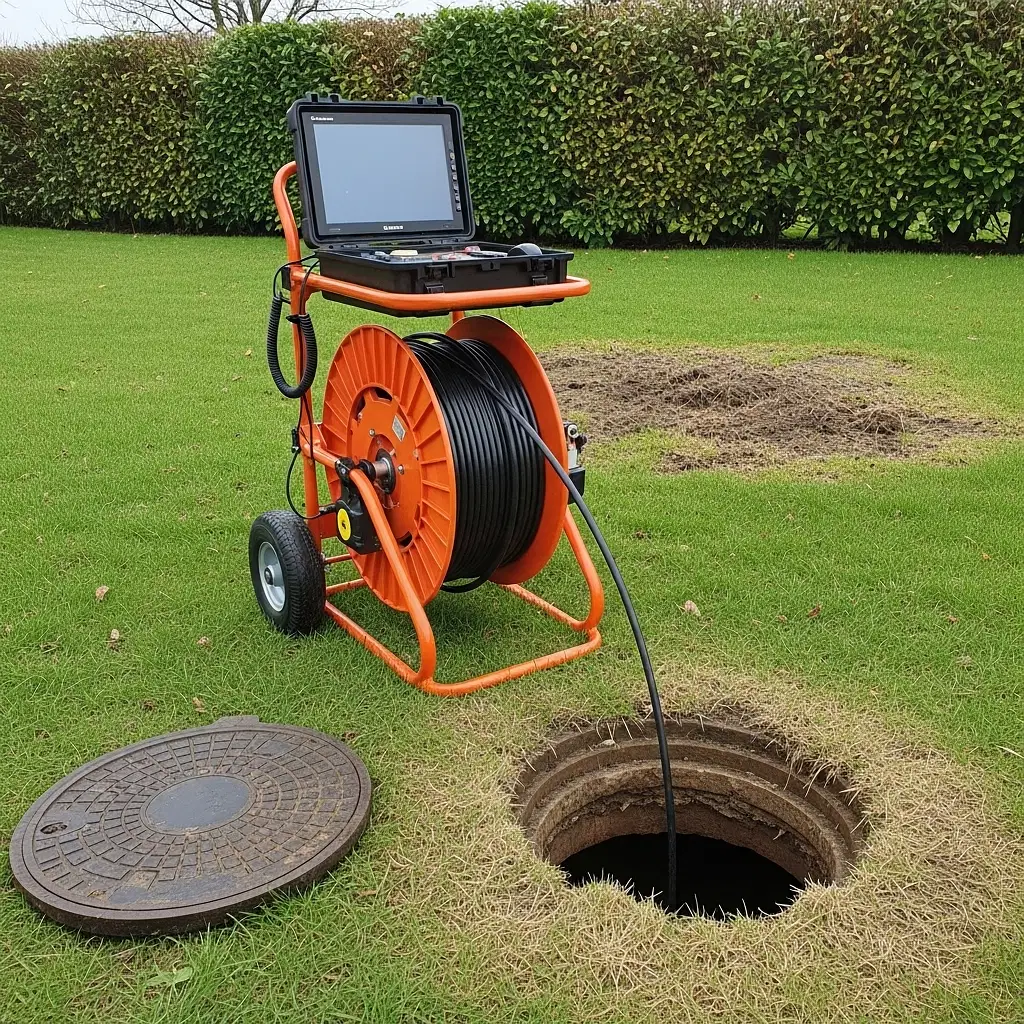
Fortunately, plumbing technology has advanced significantly. Today, we utilize high-definition waterproof cameras to inspect the inside of your pipes, allowing us to pinpoint the exact location and severity of the damage without turning a single shovel of dirt.
If we discover that your pipes have been compromised by soil movement, we can often utilize no-dig pipe restoration solutions. Trenchless technology allows us to repair or completely replace the damaged underground line through a single small access point. We can insert a flexible, resin-coated liner into the old pipe, which then hardens to create a brand-new, seamless pipe within the old one.
There are numerous trenchless sewer line repair benefits. Not only does it save your beautiful landscaping and hardscaping from destruction, but it is also significantly faster than traditional excavation. The new materials used in trenchless repairs are also slightly flexible and highly resistant to root intrusion, making them much better equipped to handle the natural shifting of the earth. Because this method is so efficient and minimally disruptive, it is also a highly requested service within our commercial service plumbing division, where businesses cannot afford to close their parking lots for days of excavation.

Protecting Your Property Long-Term
You cannot stop the ground in The Interior from shifting, but you can take proactive steps to protect your home from the consequences. The most effective strategy is preventative maintenance.
Having your sewer lines professionally snaked or hydro-jetted on a regular basis will clear out any minor root intrusions before they have a chance to grow and cause a blockage. Furthermore, an annual camera inspection allows a certified technician to monitor the condition of your pipes, keeping an eye on any slight sagging or hairline cracks so they can be addressed before they turn into a catastrophic failure.
At Rowan Plumbing, we strongly believe in the value of proactive care, which is why we focus heavily on providing annual service contracts for our clients. Regular check-ups give you peace of mind, knowing that your home's critical infrastructure is being monitored by Red Seal certified professionals. We pride ourselves on offering upfront, transparent pricing, so you never have to worry about hidden fees or surprise charges.
Don't wait for a slow drain to turn into a flooded basement. If you suspect your underground pipes have been affected by shifting soil, or if you simply want the peace of mind that comes with a clean bill of health for your plumbing system, reach out to our team today. Let us help you keep your home safe, dry, and flowing smoothly.