
Don't Get Soaked: Your Essential Spring Sump Pump Maintenance Checklist
As the snow melts and the spring rains arrive in Kamloops, the ground becomes saturated with water. For homeowners, this is a critical time to think about what’s happening in the lowest part of your house: the basement. Your sump pump is the silent guardian against groundwater, working tirelessly to prevent moisture damage and costly flooding. But like any hardworking piece of equipment, it needs a little attention to ensure it’s ready for the season ahead.
Ignoring your sump pump until you hear the dreaded sound of water in your basement can lead to stressful, expensive repairs and damage to your property. A few minutes of preventative maintenance can provide invaluable peace of mind. This guide will walk you through how to test your sump pump, recognize warning signs, and know when it’s time to call in a professional to keep your home safe and dry.
Why Spring is the Most Important Time for Sump Pump Care
Throughout the winter, your sump pump has likely been dormant. As the spring runoff begins, the groundwater table rises, putting immense pressure on your home's foundation. This is when your sump pump is called into action, often running frequently to channel water away from your home.
If the pump fails during the first heavy downpour, the results can be disastrous. A flooded basement not only damages flooring, drywall, and personal belongings but can also lead to mold growth, creating long-term health hazards. The cost and headache of a major cleanup far outweigh the small effort of a seasonal check-up. Ensuring your pump is in top working order is one of the most effective steps you can take to protect your home's value and your family's comfort. It’s about shifting from a reactive emergency to proactive protection.
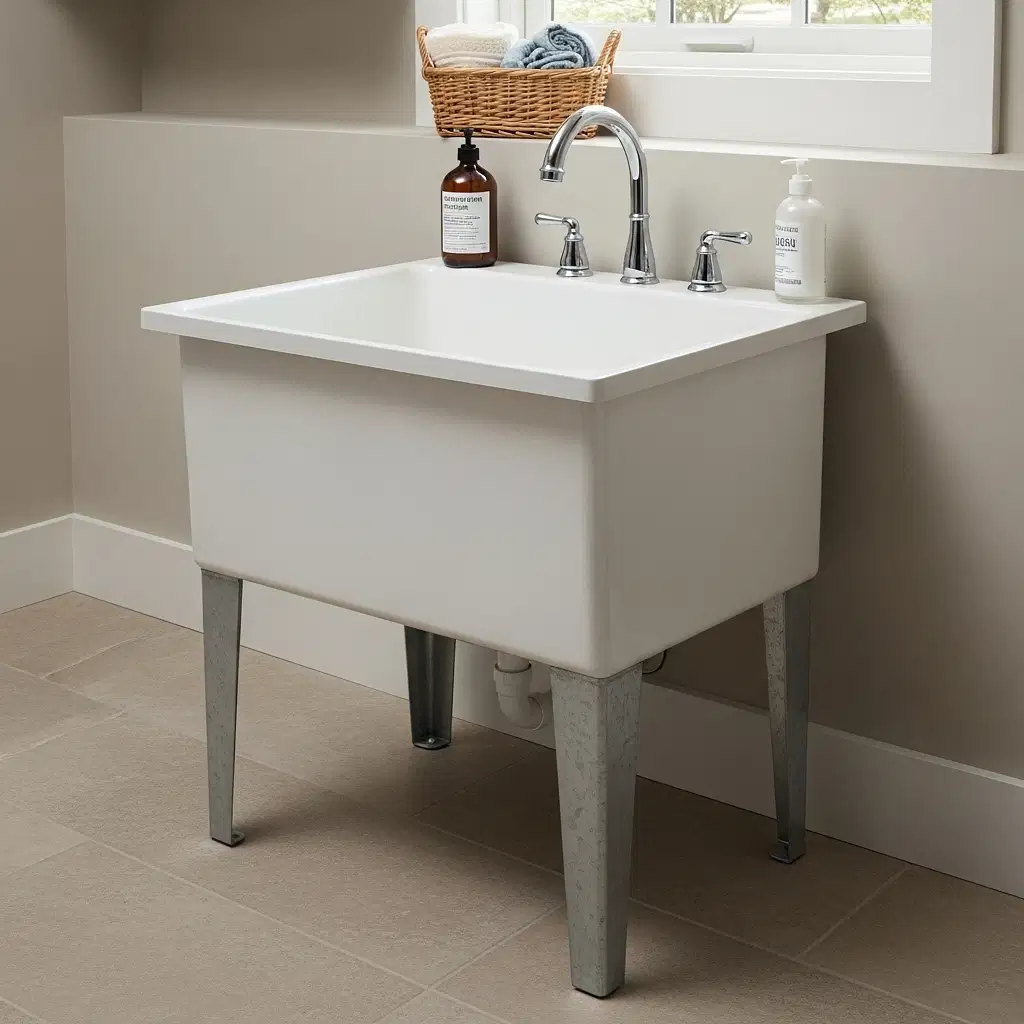
How to Test Your Sump Pump: A Simple 4-Step Guide
You don't have to be a plumbing expert to perform a basic test on your sump pump. This simple check will confirm if your unit is ready to handle the spring melt.
-
Visual Inspection: Start by looking into the sump pit. Remove any dirt, gravel, or debris that could clog the pump's intake or interfere with the float switch mechanism. The pump should be standing upright.
-
Check the Power: Ensure the sump pump is plugged into a working ground fault circuit interrupter (GFCI) outlet. Press the 'Test' and then 'Reset' buttons on the outlet to make sure it has power. Check that the cord is in good condition, with no frays or damage.
-
Perform a Water Test: This is the most important step. Slowly pour a bucket of water (about 5 gallons) into the sump pit. The water should raise the float switch, which in turn should activate the pump. Listen for the pump to turn on and watch as it quickly pumps the water out of the pit. Once the water level drops, the float should fall and the pump should shut off.
-
Inspect the Discharge Pipe: Go outside and find where the discharge pipe expels water. Make sure the pipe is not blocked by leaves, dirt, or ice and that it directs water at least several feet away from your home's foundation to prevent it from seeping back into the basement.
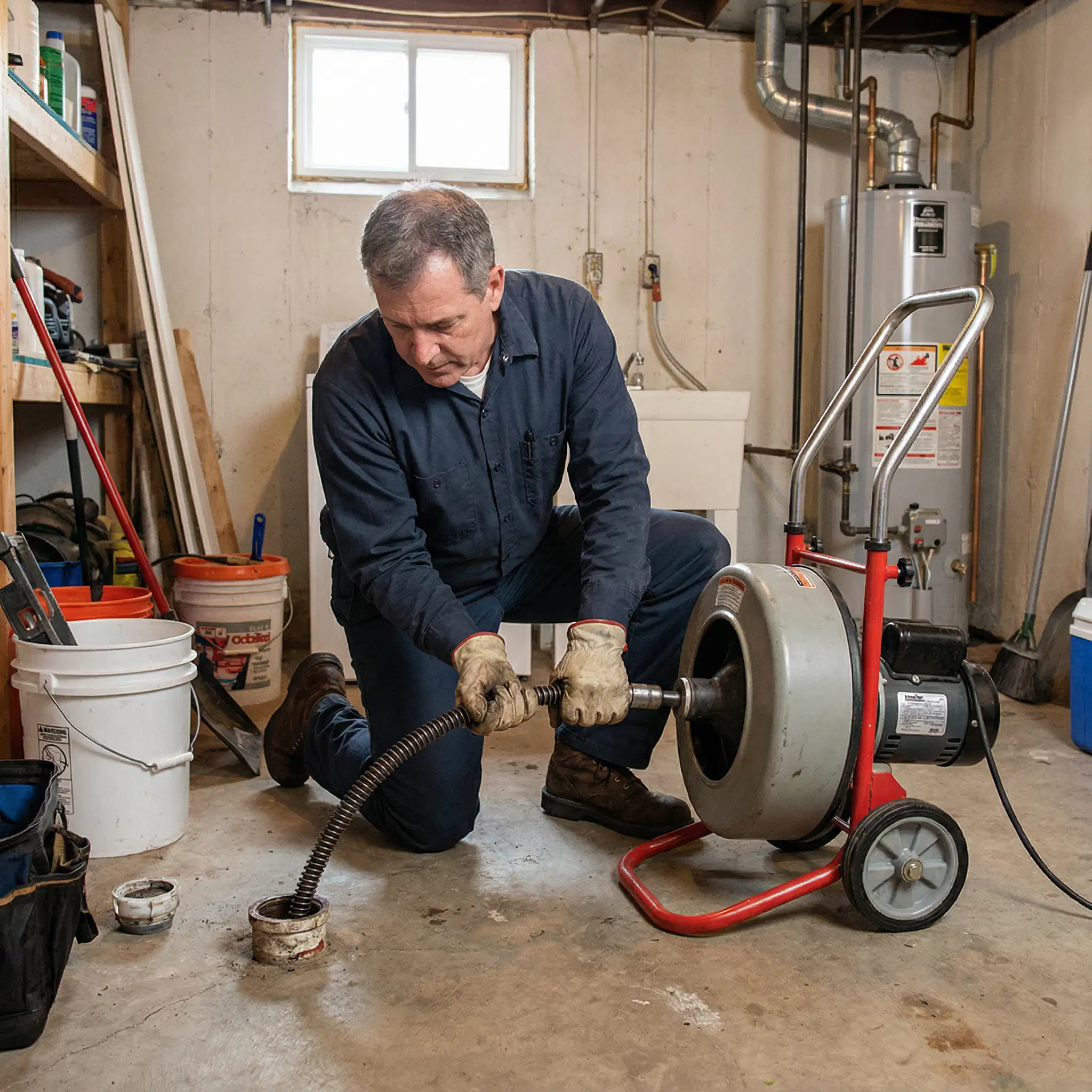
Warning Signs: When to Call a Professional
While a DIY test is a great first step, some issues require an expert eye. A failing sump pump often gives warning signs before it quits completely. If you notice any of the following, it’s time to seek professional help:
- Strange Noises: Grinding, rattling, or gurgling sounds can indicate worn or damaged parts.
- Excessive Vibration: While some vibration is normal, violent shaking can mean the impeller is damaged or clogged.
- Runs Constantly: If the pump runs all the time, even in dry weather, you may have a stuck float switch, a check valve issue, or a pump that is too small for the job.
- Visible Rust: Significant rust can corrode the pump and impede its function.
- Fails the Water Test: If the pump doesn’t turn on when you add water, the problem could be the switch, the motor, or the power source.
Ignoring these signs can lead to a sudden failure when you need your pump the most. A professional can diagnose the problem correctly and perform necessary repairs or recommend a replacement. For urgent issues, our emergency plumbing services are always available.
The Ultimate Protection: Battery Backup Systems
What happens if a powerful spring storm knocks out your power? A standard sump pump becomes useless, leaving your basement completely vulnerable. This is where a battery backup system is essential. A backup pump runs on a deep-cycle battery and will automatically take over if the power goes out or if your primary pump fails. It’s a crucial layer of protection that ensures your basement stays dry no matter the weather. If you're considering adding this extra security, we can help with professional plumbing installations to give you complete peace of mind.
Keep Your Basement Dry with Rowan Plumbing
Spring in our beautiful region should be enjoyed, not spent worrying about a flooded basement. By taking a few moments to test your sump pump and watch for warning signs, you can prevent a major headache.
If your pump fails a test, is showing its age, or you'd simply prefer a professional to handle it, Rowan Plumbing is here to help. We offer comprehensive plumbing maintenance checkups and expert residential plumbing services throughout the Kamloops area. Contact us today to schedule an inspection and ensure your home is protected all season long.