
Don't Get Left in the Cold: A Homeowner's Guide to Preventing Frozen Pipes
The beauty of a Kamloops winter is undeniable, with crisp air and snow-dusted hills. But as temperatures drop, a hidden threat can emerge within the walls of your home: frozen pipes. A frozen pipe is more than just an inconvenience that stops your water flow; it can quickly lead to a burst pipe, causing significant water damage and costly repairs. Protecting your home from this winter hazard is crucial. Fortunately, with a bit of preparation, you can ensure your plumbing system weathers the cold season without a hitch. This guide will walk you through understanding the risks, taking preventative measures, and knowing what to do if you suspect a pipe has already frozen. As your local plumbing experts, we're here to help you keep your home safe and warm all winter long.
Understanding the Threat: Why Frozen Pipes Are a Serious Concern
It’s a simple matter of physics: when water freezes, it expands. When this happens inside a sealed metal or plastic pipe, the pressure can become immense—strong enough to split the pipe wide open. The real trouble often begins when the ice thaws, and water starts gushing from the new crack or rupture. A burst pipe can release hundreds of litres of water per hour, leading to flooded basements, damaged drywall, ruined flooring, and potential mould growth.
The pipes most at risk are those in unheated or poorly insulated areas of your home, including:
- Pipes in exterior walls
- Attics, crawl spaces, and unheated basements
- Garages
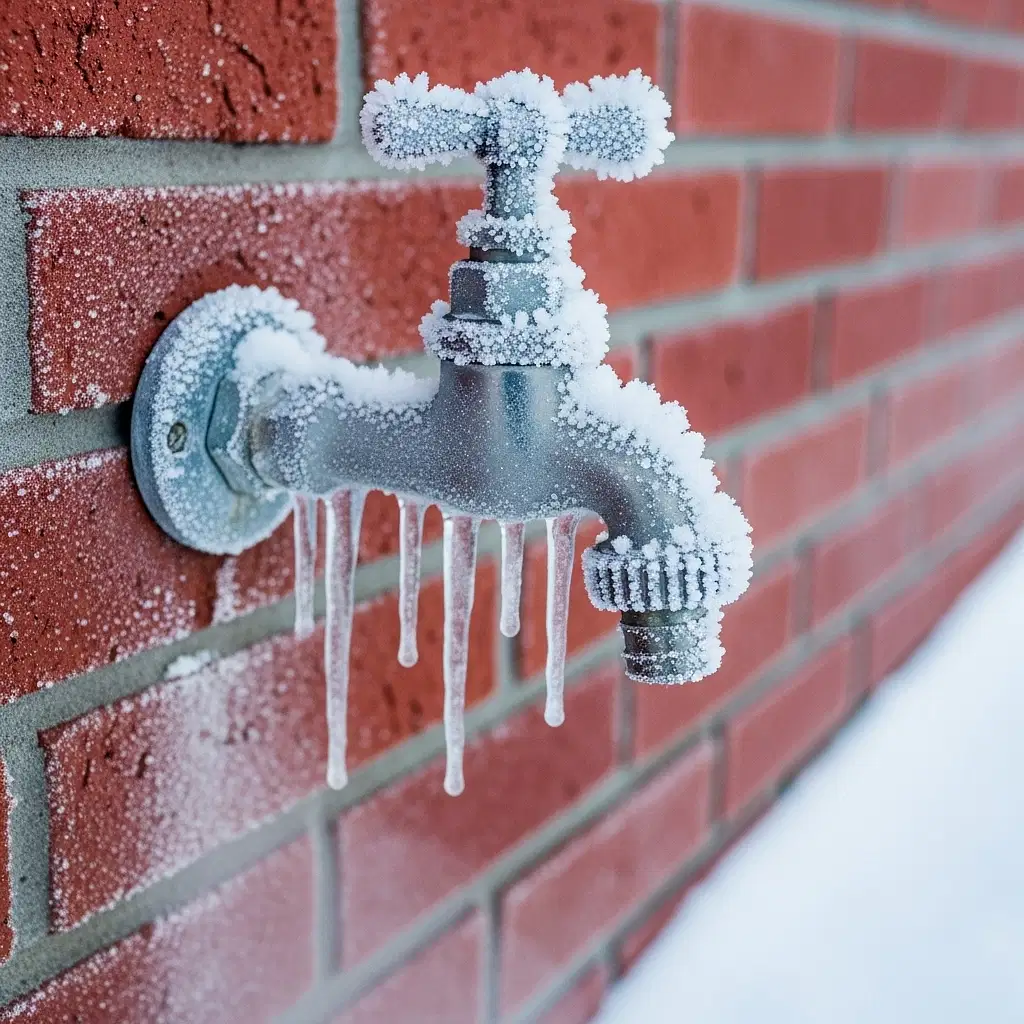
- Outdoor hose bibs and faucets
Taking proactive steps to protect these vulnerable areas is one of the most important investments you can make in your home's upkeep, saving you from the stress and expense of an unexpected plumbing emergency.
Your Winterization Checklist: Simple Steps to Prevent Frozen Pipes
Preparing your home for the cold doesn't have to be complicated. By following this checklist before the first deep freeze, you can significantly reduce the risk of frozen pipes.
1. Insulate Exposed Pipes
For pipes in accessible areas like basements or crawl spaces, pipe insulation is your first line of defense. You can find foam sleeves or fiberglass insulation specifically for this purpose at most hardware stores. It's an easy and inexpensive DIY project that offers excellent protection.
2. Seal Air Leaks
Check for air leaks around your home, especially where pipes enter from the outside (like under the kitchen sink). Use caulk or spray foam to seal these gaps. This not only protects your pipes but also improves your home's energy efficiency.
3. Protect Outdoor Faucets
This is a critical step. Before the first frost, disconnect all garden hoses from your outdoor faucets. If you don't have a frost-proof spigot, shut off the interior valve that supplies water to that faucet and then open the outdoor tap to drain any remaining water. For extra protection, use an insulated faucet cover throughout the winter.
4. During a Severe Cold Snap
When temperatures really plummet, take a few extra precautions:
- Let it Drip: Allow a faucet fed by vulnerable pipes to drip slowly. The constant movement of water can help prevent it from freezing.
- Open Cabinets: Open kitchen and bathroom cabinet doors to allow warmer air from your home to circulate around the plumbing.
- Maintain Heat: Never turn your heat completely off, even if you're leaving for a few days. Keep the thermostat set to at least 13°C to protect your plumbing system.
What to Do If Your Pipes Are Already Frozen
If you turn on a faucet and only a trickle (or nothing) comes out, you may have a frozen pipe. Here’s what to do:
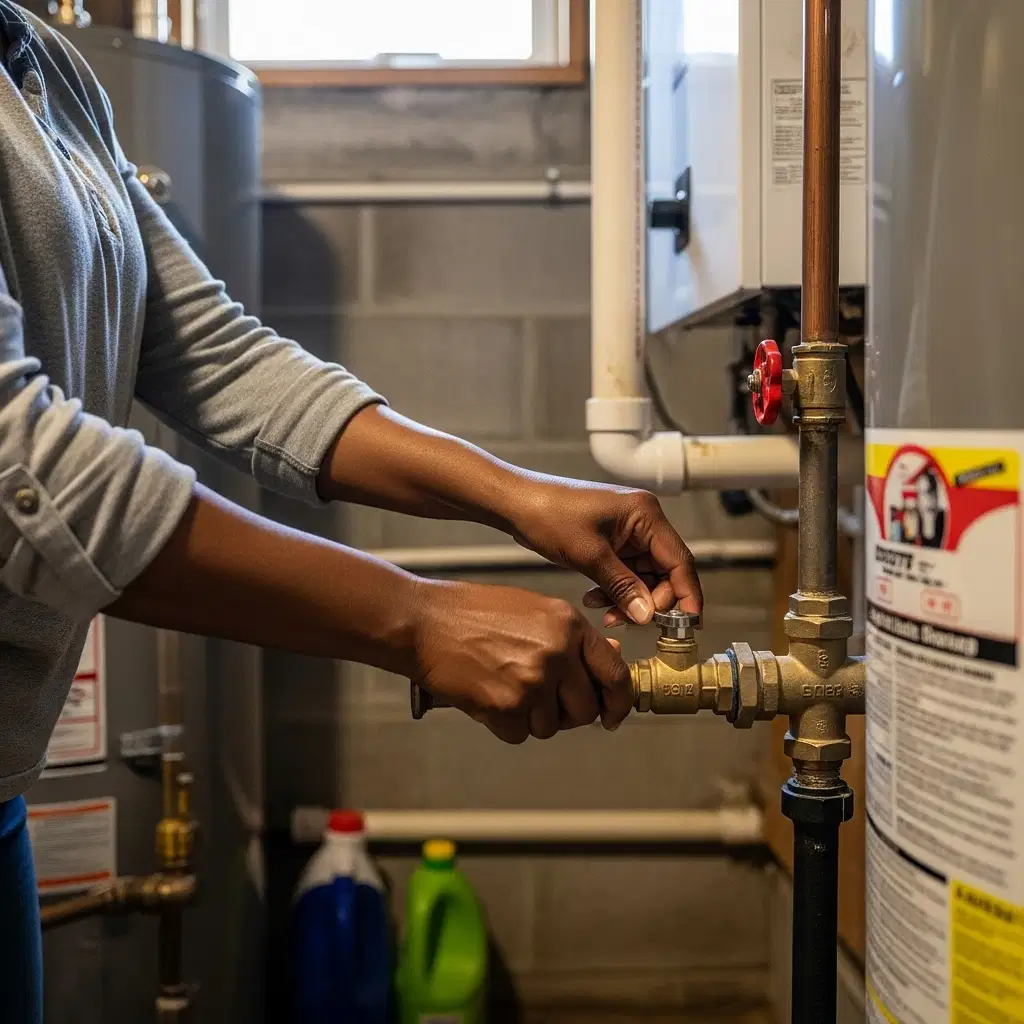
- Shut Off the Main Water Supply: Before you do anything else, locate and turn off your home's main water shut-off valve. This will prevent a flood if the pipe has already burst.
- Attempt to Thaw It Safely: If you can locate the frozen section, you can try to thaw it gently. Open the faucet the pipe leads to, and then apply heat to the frozen area using an electric heating pad, a hairdryer on a low setting, or towels soaked in hot water. Never use a blowtorch, propane heater, or any other open flame, as this is a serious fire hazard and can damage the pipe.
- Check for Leaks: As the pipe thaws, watch carefully for any leaks. If you see water dripping, it means the pipe has burst.
If you can't find the frozen area, can't access it, or if the pipe has already burst, it's time to call a professional immediately. An emergency plumbing situation requires a fast and expert response to minimize damage.
For Ultimate Peace of Mind, Trust the Professionals
While these DIY tips are effective, the best way to ensure your home is fully protected is with a professional assessment. At Rowan Plumbing, we have years of experience with the specific challenges of residential plumbing in our climate. We can identify vulnerable areas you might miss and recommend the best solutions for your home.
Consider scheduling one of our Plumbing Maintenance & Checkups before winter arrives. A thorough inspection can catch potential problems early, giving you complete peace of mind when the cold weather sets in. Whether you need help winterizing your home or are facing a sudden plumbing emergency, our team is ready to provide reliable, professional service to homeowners throughout the Kamloops area. Contact us today to learn more about our services and how we can help keep your home safe and your water flowing all year round.